First descent · spoiler-light

Enter the prison with a plan

EMOTIA Escape combines puzzles, challenging missions, teamwork, and intense chases. This guide helps you prepare without pretending to know secret solutions.

Before you move

Four habits for a first run

These are general, low-spoiler habits built around the features the official page confirms.

  1. 1

    Choose your pace

    The official listing supports solo play or up to five players. A solo run gives you full control of the pace; a squad can divide observation and communication.

  2. 2

    Read before you react

    Pause long enough to read prompts and identify what the current puzzle or mission is actually asking. This avoids turning guesses into a team-wide mistake.

  3. 3

    Share one useful fact

    In a group, make callouts short: what you saw, where you saw it, and whether it is confirmed. Avoid talking over a teammate who is reading a prompt.

  4. 4

    Regroup after pressure

    Intense chases are a confirmed feature. When the game gives you space again, count the squad, reset direction, and only then continue deeper.

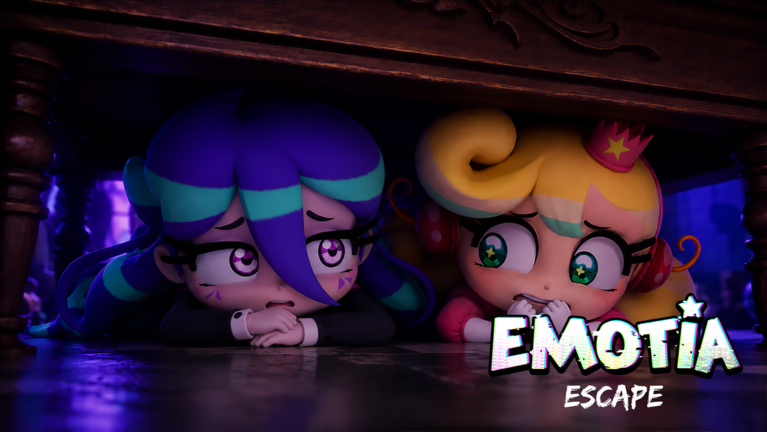
Two frightened EMOTIA Escape characters hiding beneath wooden furniture
Hiding can buy a moment, but the live game must teach you when and how any interaction works.
Solo vs squad

Use the same loop at any party size

With a squad

  • Set one clear rule: Before moving, agree on simple callouts such as stop, regroup, found it, and go. This is useful whether your party has two players or five.
  • Read the room together: During puzzles and missions, split observation instead of having everyone test the same idea. Share only what you can see or confirm.
  • Commit to the same move: Once the team chooses a plan, move together. If the plan fails, reset the callout before trying a different approach.
  • Protect the regroup: After an intense chase, count the team and re-establish direction before descending deeper. Solo players can use the same pause to review prompts.

Playing solo

  • Externalize clues: Say or note what you have confirmed so you do not repeat the same test.
  • Reset deliberately: After a chase, pause before choosing the next direction.
  • Trust the interface: Current prompts beat any old control or solution list.
  • Change one variable: If a puzzle attempt fails, adjust one idea at a time.

Continue

Build your next layer of preparation